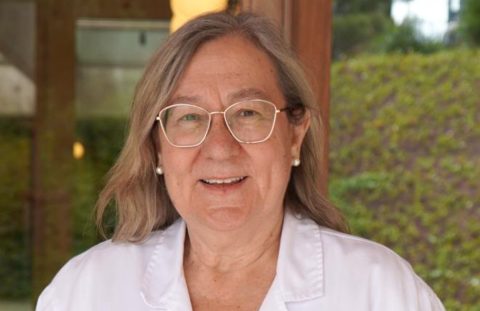
Stefania Madonna: “DocTIS represents a shift from treating the average patient to treating the individual”
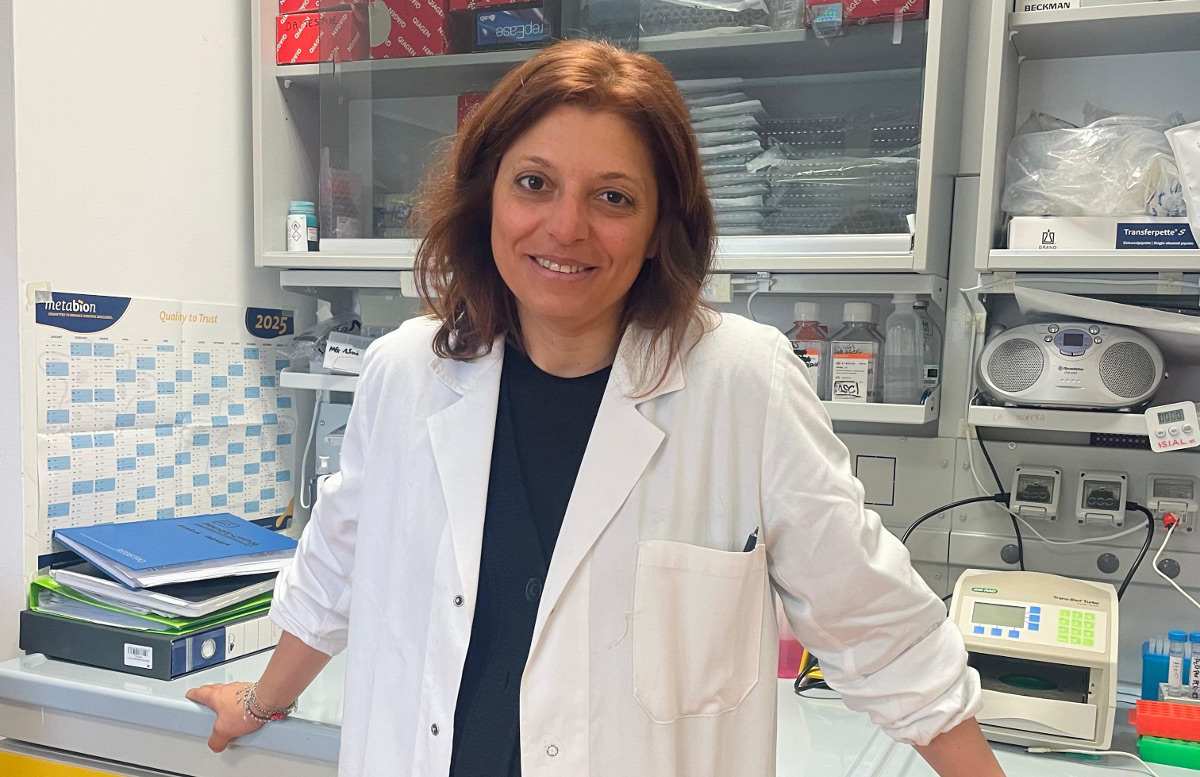
Understanding how molecular insights can inform clinical decision-making is an important aspect of the DocTIS project. By combining clinical expertise with systems biology approaches, the project seeks to better understand treatment response and support the identification of more effective therapeutic strategies for patients with immune-mediated inflammatory diseases.
Within this framework, the University of Verona contributes to defining clinical criteria for patient selection and supports the validation of therapeutic approaches across different stages of the project. Its expertise in dermatology and immune-mediated skin diseases, particularly psoriasis, is key to connecting clinical observations with downstream validation and potential clinical application.
Through its clinical and scientific network, the University of Verona also collaborates with researchers working in leading dermatology centres across Europe. In this context, we speak with Stefania Madonna, Senior Researcher in Experimental Immunology at IDI-IRCCS, a clinical and research institute specialised in dermatology and immune-mediated diseases, whose work focuses on patient stratification and the molecular mechanisms underlying inflammatory skin diseases.
Ciao, Stefania. Please tell us about yourself.
Ciao! I am a Senior Researcher at the Experimental Immunology Laboratory within the IDI-IRCCS in Rome, where I also serve as Head of the Research Area for the Integrated Research Center for Atopic Dermatitis.
My academic journey began with a degree in Chemistry, specialising in Biological Chemistry and Molecular Biology, and I later obtained a PhD in Biochemistry and Molecular Biology, which included research at the University of Helsinki focused on gene expression and cellular stress. I also hold a Master’s degree in Bioinformatics from La Sapienza University of Rome.
My interest in immune-mediated inflammatory diseases, particularly psoriasis and atopic dermatitis, developed through my work at IDI-IRCCS, where I progressed from postdoctoral researcher to principal investigator on projects funded by the Ministry of Health and industry partners. My research focuses on the molecular mechanisms of skin inflammation, including signalling pathways such as PI3K/AKT and cytokines like IL-22 and IL-38, with the aim of identifying new therapeutic targets and improving clinical outcomes.
How did you become involved in the DocTIS project?
I became involved in DocTIS through Prof. Giampiero Girolomoni, Principal Investigator for the University of Verona in the DocTIS project and former Head of the Immunology Laboratory at IDI-IRCCS. The opportunity to collaborate with researchers from leading international centres was a key motivation for joining the project.
What is your role within DocTIS?
I contributed to the selection of responder and non-responder patients affected by psoriasis.
What do you find most innovative about the DocTIS approach?
The most innovative aspect of the DocTIS approach lies in the integration of multiple components into a single, cohesive workflow. Rather than treating computational modelling and clinical validation as separate steps, the project creates a continuous cycle in which data-driven predictions directly inform therapeutic strategies.
What does it mean for you, as an early-career researcher, to see your work potentially translated into clinical trials or patient care?
Seeing my work on patient stratification and biomarker identification potentially translated into clinical trials is both humbling and highly motivating. For much of my career, I focused on specific molecular mechanisms, such as the role of SOCS1 and SOCS3 in inflammatory signalling. Through DocTIS, I now see these mechanisms as part of a broader system that can contribute to improving patient care.
How has working in a European consortium influenced your development as a researcher?
Working within a European consortium such as DocTIS has significantly broadened my perspective, moving from a specialised focus towards a more multidisciplinary approach.
Interacting with experts in systems biology and clinical research has allowed me to integrate my background in molecular biology with computational methods. This experience has reinforced the importance of collaboration in addressing complex challenges such as predicting treatment response in chronic inflammatory diseases.
How do you think DocTIS could impact patients in the future?
From my perspective, DocTIS represents a shift from treating the average patient to treating the individual. By integrating molecular and clinical data, the project has the potential to improve how treatment decisions are made and to support more personalised care. In the long term, this approach could contribute to predictive models that help maintain disease control and improve patients’ quality of life.
What key lessons have you learned from being part of DocTIS?
Reflecting on my experience within the DocTIS consortium, it has led to an important evolution in both my scientific approach and my way of addressing complex problems.
Where do you see your research career heading in the future?
My experience with the DocTIS consortium has acted as a professional compass, shifting my trajectory towards translational research with a focus on precision dermatology.
Stefania’s work highlights how clinical expertise and molecular research can be combined to better understand disease heterogeneity and support more targeted therapeutic strategies.
By contributing to patient stratification and the integration of biological knowledge within a broader decision-support framework, DocTIS continues to move towards more personalised and effective treatment approaches for immune-mediated inflammatory diseases.
Coordinated by the Vall d’Hebron Research Institute, VHIR (Sara Marsal), the project brings together Cardiff University (Ernest Choy), the University of Verona (Giampiero Girolomoni), Charité – Universitätsmedizin Berlin (Britta Siegmund), the Institut d’Investigacions Biomèdiques August Pi i Sunyer, IDIBAPS (Pere Santamaria), the National Center for Genomic Analysis, CNAG (Holger Heyn), IMIDomics Inc. (Manuel Lopez-Figueroa), HudsonAlpha Institute for Biotechnology (Richard M. Myers) and Zabala Innovation.