Holger Heyn: “DocTIS brings single-cell technologies closer to clinical application and patient care”
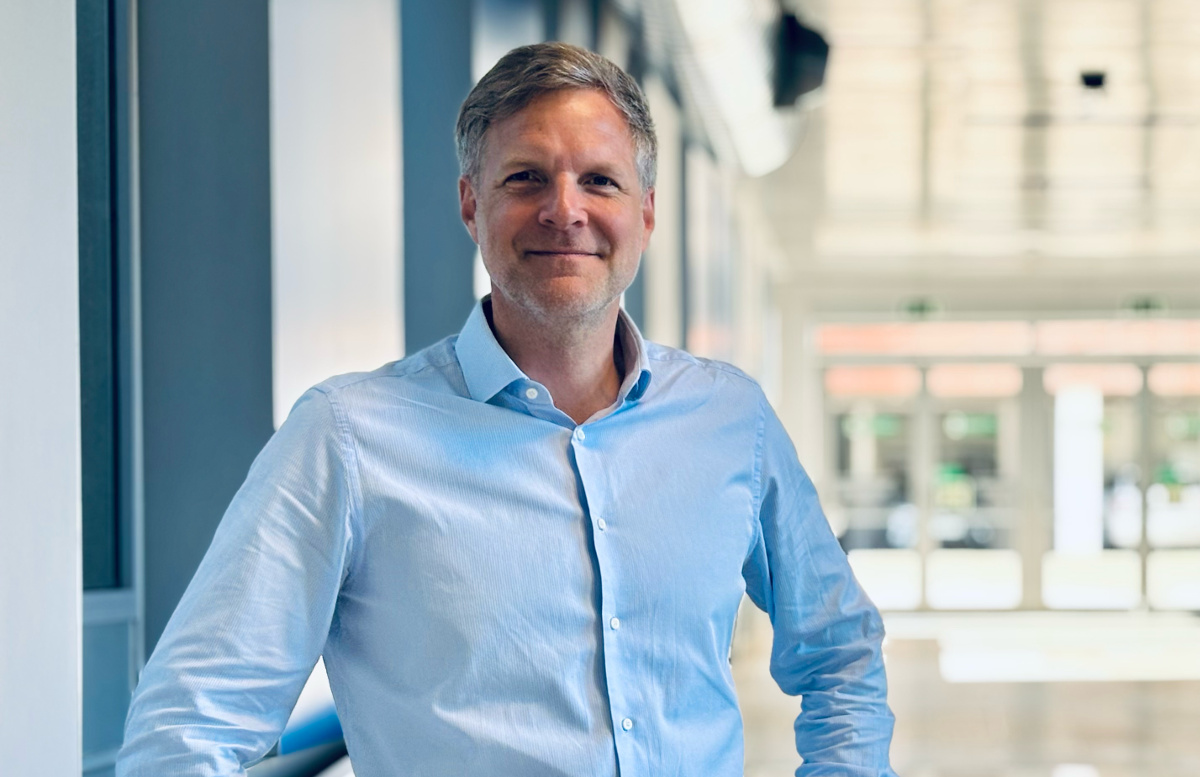
Understanding immune cells at single-cell resolution is opening new possibilities for diagnosing diseases, predicting treatment response and developing more personalised therapies. Throughout the DocTIS project, the Centro Nacional de Análisis Genómico (CNAG) has played a central role in generating and analysing the large-scale single-cell datasets that underpin many of the project’s scientific discoveries.
Using state-of-the-art single-cell sequencing technologies, CNAG has generated high-resolution molecular data that reveal how immune cells behave in patients with immune-mediated inflammatory diseases (IMIDs). Combined with advanced computational approaches, these data have enabled researchers to identify disease-specific immune signatures, build predictive models for patient stratification and support the development of more precise diagnostic and therapeutic strategies.
Beyond DocTIS, the expertise developed at CNAG also contributes to broader efforts to better understand the human immune system, helping researchers explore how immune cells respond to disease and treatment at an unprecedented level of detail. This approach is laying the foundations for new diagnostic tools and more personalised treatment strategies.
We spoke with Holger Heyn, Single Cell Genomics Group Leader at the National Center for Genomic Analysis (CNAG) as well as Research Professor and Group Leader at the Catalan Institution for Research and Advanced Studies (ICREA), to explore how advanced single-cell genomics is helping transform our understanding of immune-mediated inflammatory diseases and how the work carried out in DocTIS is contributing to the future of precision medicine.
Hallo, Holger! Please, tell us about yourself.
Hallo! My name is Holger Heyn. I’m a career professor and group leader at the Centro Nacional de Análisis Genómico (CNAG) in Barcelona. I’m also co-founder and Chief Scientific Officer at Omniscope. My background is in genomics, more specifically single-cell and spatial genomics, having worked in this area for over a decade. I focus on two key areas: first, on the technology that allows us to scale these methods to large-scale projects and clinical-grade science. Second, I work on translation efforts, teaming up with clinics, clinicians and pharma partners in clinical trials. We apply these technologies to identify drug modes of action, build predictive models for patient stratification and patient outcome prediction for better patient selection.
What initially drew you to the DocTIS project?
I was approached by the DocTIS project coordinator, Sara Marsal, who introduced me to the project’s vision and objectives. It became immediately clear that the project aligns very closely with our own strategy of bringing advanced technologies, such as single-cell sequencing, closer to clinical application and patient care.
What particularly attracted me to DocTIS was its focus on applying cutting-edge single-cell technologies to autoimmune diseases, and more specifically to immune-mediated inflammatory diseases (IMIDs). In these conditions, immune cells are often the key drivers of disease, making them highly informative biomarkers. Our technologies allow us to capture a high-resolution view of these immune cells from simple blood samples and to monitor, in real time, how they respond to therapeutic interventions.
By analysing these cellular responses, we can generate detailed immune fingerprints of patients and use them to build predictive models. These models help us understand treatment responses, identify patients who are most likely to benefit from specific therapies and explore novel combinatorial treatment strategies. Ultimately, this creates a powerful framework for designing and testing more effective therapeutic approaches in clinical trials.
What role does your organisation play in the DocTIS project?
CNAG serves as both a project partner and the work package leader for data generation within the DocTIS project. In this role, we coordinate the efforts of the different partners involved in generating and processing data, ensuring consistency, quality and integration across the project. At CNAG, our primary contribution is the large-scale generation of single-cell sequencing data, providing a detailed view of immune cells and their behaviour in patients with immune-mediated inflammatory diseases.
Beyond data generation, we also use the sequencing data produced within DocTIS to build comprehensive models of the human immune system. This work is closely connected to our contributions to the Human Cell Atlas, where we help develop reference maps of immune cells across health and disease. By integrating the data generated in DocTIS with these broader efforts, we have been able to create a detailed cellular landscape of immune-mediated inflammatory diseases, capturing the diversity and dynamics of immune cells circulating in the blood.
The ultimate goal of this work is to translate these insights into predictive models that can support more precise diagnosis and patient stratification. By understanding disease-specific immune signatures at single-cell resolution, we can develop new tools that help clinicians make more informed decisions and move toward more personalised approaches to patient care.
What do you consider the most important scientific or technological contribution of your team within DocTIS?
I would say our most important contribution has been the development of predictive models for patient stratification, which ultimately enabled us to reach a diagnostic prototyping stage. By using immune cells circulating in the blood as living biomarkers, we were able to capture disease-specific immune signatures at single-cell resolution and use these data to classify patients according to their underlying disease.
This approach allowed us to move beyond descriptive profiling and develop robust stratification models that can support clinical decision-making. The outcome has been the development of a prototype diagnostic tool for immune-mediated inflammatory diseases, demonstrating how advanced immune profiling can be translated into clinically actionable insights. Importantly, this work provides a foundation for more precise diagnosis and personalised treatment strategies, bringing us closer to implementing immune-based diagnostics in routine clinical practice. The results of this research were recently published in the journal Nature Medicine, highlighting the potential of single-cell technologies to transform the diagnosis and management of inflammatory diseases.
How have advanced technologies such as single-cell RNA sequencing helped improve our understanding of IMIDs within DocTIS?
With single-cell sequencing, we get a very high-resolution snapshot of immune cells in circulation from the blood and the impact, or fingerprint, of immune-mediated inflammatory diseases in patients. This fingerprint allows us to identify driving mechanisms that are potentially targetable in the future. It also allowed us to build classification tools to develop more advanced diagnostics in the future.
Regarding your initial expectations, how has the project developed?
The project has been a success story, with all partners, from technology to clinical, working together seamlessly, with the outcome being the successful design and execution of a clinical trial. I think this is one of the best examples where hypothesis-driven research and the latest immune-profiling technologies allow us to develop better clinical trials and to use the fingerprints of diseases to identify and test combinatorial treatments that are likely to improve patients’ lives.
What has been the biggest challenge for you and your team?
One of the biggest challenges for our team has been operating at scale while maintaining the highest standards of quality. The DocTIS project required us to process and analyse hundreds of patient samples using advanced single-cell technologies, which is a complex undertaking both technically and operationally. In projects like this, generating large volumes of data is not enough; the data must also be highly reproducible, robust and of clinical-grade quality.
This challenge was particularly significant because the success of the downstream analyses, predictive models and clinical insights depended entirely on the quality and consistency of the data generated across the project.
To address this, we implemented a new data-generation strategy specifically designed for the scale and requirements of DocTIS. This approach enabled us to streamline sample processing, improve standardisation and ensure rigorous quality control throughout the workflow. As a result, we were able to deliver high-quality single-cell datasets on schedule, providing a strong foundation for the project’s scientific and clinical achievements.
For me, this was a defining aspect of the project because it demonstrated that cutting-edge single-cell technologies can be successfully deployed at scale in a clinical research setting, bridging the gap between technological innovation and real-world clinical application.
What results from the DocTIS project have been most satisfying for you?
There were two moments in the project that were particularly satisfying for me and the team.
The first was when we received the initial datasets from the sequencing platform and realised that every sample had successfully passed through the workflow. In a project of this scale, involving hundreds of patient samples collected across multiple time points, achieving such a high success rate is far from trivial. Seeing that all patients and all sampling time points produced the expected high-quality data, with minimal batch effects and ready for downstream analysis, was a major milestone. It validated the new data-generation strategy we had implemented and gave us confidence that we had built a robust foundation for the entire project.
The second defining moment came when we obtained the first results from our machine-learning models. For the first time, we could clearly see that immune-mediated inflammatory diseases could be predicted, and potentially diagnosed, from a single blood sample using immune-cell profiles. This was an exciting and rewarding result because it demonstrated the real clinical potential of the approach we had been developing throughout the project.
The ability to diagnose and stratify patients using a minimally invasive blood test has the potential to be transformative for the clinical management of immune-mediated inflammatory diseases. It could enable earlier diagnosis, more precise patient stratification and better treatment selection. Seeing these results emerge from the data was one of those moments where we felt that the combination of advanced single-cell technologies, large-scale data generation and machine learning can truly make a difference for patients.
How important is it to connect large-scale molecular data with clinical validation in projects like DocTIS?
It is absolutely crucial. Generating large-scale molecular data and building sophisticated predictive models are important steps, but they are only valuable if the findings can be validated in real-world clinical settings and ultimately improve patient care.
We see this clearly in the development of the classification tools generated within DocTIS. While the initial results are highly promising, these models must be tested and validated on independent external patient cohorts that were not part of the original study. This is essential to demonstrate that the diagnostic tool performs reliably under real-world conditions and can be generalised across diverse patient populations.
Equally important is the clinical validation of the treatment predictions generated by our models. One of the major goals of the project is to identify combinatorial treatment strategies based on the molecular signatures of patients. The ongoing clinical trial provides the opportunity to test whether these predictions translate into a real clinical benefit for patients. This is the ultimate proof of concept: demonstrating that insights derived from large-scale molecular profiling can directly inform treatment decisions and improve patient outcomes.
Projects like DocTIS are particularly powerful because they create a continuous link between discovery science and clinical practice. By integrating advanced molecular technologies with rigorous clinical validation, we can transform biological insights into actionable diagnostic tools and more personalised treatment strategies for patients with immune-mediated inflammatory diseases.
What key learnings do you take from the DocTIS collaboration?
One of the biggest lessons from DocTIS is that we should not be afraid of tackling large-scale, ambitious projects, as long as the right infrastructure is in place and you have an experienced, committed team. This project showed that it is possible to generate high-quality molecular data at scale while maintaining the rigour required for clinical research.
Another important learning has been the value of true collaboration. Working with our clinical, academic and technology partners reinforced that everyone shared the same mindset: keeping the patient at the centre of every decision. Whether developing new technologies, generating data, designing clinical trials or validating predictive models, all partners were united by the common goal of improving outcomes for patients with immune-mediated inflammatory diseases. That shared vision was one of the project’s greatest strengths.
From a scientific perspective, DocTIS also demonstrated the tremendous power of large-scale, longitudinal and multimodal datasets. These rich datasets enable machine-learning models that simply would not be possible with smaller or more fragmented studies. While they already support the immediate objectives of the project, such as patient stratification and treatment prediction, their value extends much further.
When combined with broader international initiatives such as the Human Cell Atlas, these data become part of something much bigger. They contribute to building comprehensive models of human biology that will ultimately enable AI-driven approaches, including virtual models of cells and the immune system. In the future, these models could be queried to predict patient outcomes, simulate responses to therapies and accelerate the development of the next generation of precision medicines. I believe this is where the field is heading, and DocTIS has been an important step toward that future.
What are your hopes for the future of DocTIS and IMID therapies?
I believe the most important legacy of DocTIS is that it has established a prototype, a framework for modelling disease biology at an unprecedented level of detail. While the project has already delivered important advances in diagnostics and patient stratification for immune-mediated inflammatory diseases, I see this as only the beginning.
With this framework in place, the main limiting factor is no longer the technology, but the availability of large, high-quality datasets. As we continue to generate and integrate longitudinal, multimodal molecular and clinical data, we will be able to build increasingly comprehensive models of disease. These models have the potential to uncover biological principles that extend beyond individual diseases, leading to more universal diagnostic approaches and, ultimately, more effective therapeutic strategies.
At the centre of this vision are immune cells. They are the body’s natural sensors and responders, continuously detecting disease, coordinating immune responses and adapting to changes in health and treatment. By learning how to accurately measure, understand and model immune function, we gain access to an incredibly powerful source of biological information.
Looking ahead, I believe that projects like DocTIS, combined with international efforts such as the Human Cell Atlas, will help us create AI-driven models of the immune system that can predict disease progression, guide treatment selection and even support the design of the next generation of therapies. Once we truly understand and can model immune function, the opportunities for innovation are enormous. In many ways, we’re only beginning to explore what’s possible.
As Holger Heyn’s perspective demonstrates, the strength of DocTIS lies in its ability to combine advanced genomics, computational biology and clinical expertise to generate knowledge that can be translated into patient care. Through high-resolution molecular profiling, predictive modelling and close collaboration across disciplines, the project has helped establish new foundations for understanding immune-mediated inflammatory diseases and developing more precise diagnostic and therapeutic approaches.
Coordinated by the Vall d’Hebron Research Institute, VHIR (Sara Marsal), the DocTIS consortium brings together Cardiff University (Ernest Choy), the University of Verona (Giampiero Girolomoni), Charité – Universitätsmedizin Berlin (Britta Siegmund), the Institut d’Investigacions Biomèdiques August Pi i Sunyer, IDIBAPS (Pere Santamaria), the Centro Nacional de Análisis Genómico, CNAG (Holger Heyn), IMIDomics Inc. (Manuel Lopez-Figueroa), HudsonAlpha Institute for Biotechnology (Richard M. Myers) and Zabala Innovation. Together, they have combined complementary expertise in clinical research, genomics, computational biology, translational science and project coordination to advance more personalised approaches for the diagnosis and treatment of immune-mediated inflammatory diseases.